A Night of Real Conversations About Weight: Recapping “Understand Your Weight”
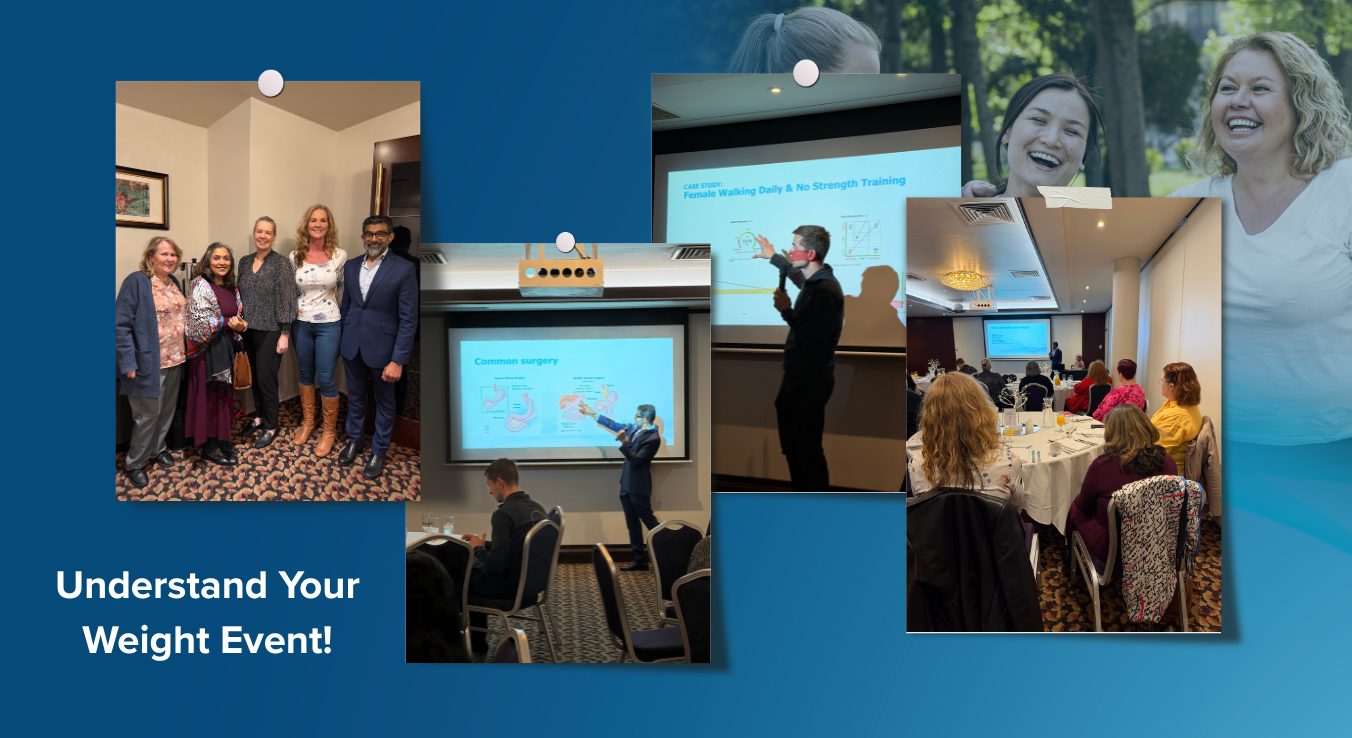
On the evening of 10 June, we hosted our “Understand Your Weight” information evening at the Pagoda Resort and Spa in Como. What unfolded was more than a presentation: it was an open, honest, and at times deeply personal conversation about one of the most complex health journeys a person can undertake.
When You Finally Understand Your Weight, Everything Changes
The evening centred on a question that sounds deceptively simple: why is managing weight so hard? The answer, as Mr Siva Gounder FRACS opened the night by explaining, is that obesity is a chronic, relapsing disease. It is not a failure of willpower. It is not simply a lifestyle issue. The World Health Organization defines it as an abnormal or excessive accumulation of body fat that presents a risk to health, and the body systems it affects, from cardiovascular and respiratory to neurological, endocrine, and psychosocial, underscore how seriously the medical community now takes it.
That framing set the tone for the rest of the evening: informed, non-judgmental, and focused on equipping people with the knowledge to make decisions that are right for them.
Surgery, Medication, or Both?
Dr Gounder’s session tackled the question that was clearly on most minds in the room: what are the options, and how do you choose? He walked through the full treatment landscape, from lifestyle changes and medication through to bariatric surgery, and was direct about what the evidence shows. Clinical data comparing surgical outcomes to GLP-1 therapy in patients with diabetes shows surgery produced a substantially greater reduction in mortality. In real-world studies across more than 50,000 patients, surgery delivered around 26% total weight loss at two years compared to 5 to 7% for GLP-1 medications. Surgery is currently the most effective long-term solution for weight loss and associated metabolic control.
That said, medication has a clear role. Dr Gounder outlined the full spectrum of pharmacological options available, from GLP-1 agonists such as Ozempic and Wegovy to dual hormone therapies including Mounjaro to oral options. He was careful to clarify that surgery and medication are not mutually exclusive. In many circumstances, they work together, and the right approach depends on the individual.
Surgical options covered included sleeve gastrectomy, gastric bypass, duodenal switch, and gastric band procedures, all performed at Hollywood Hospital. Most patients spend one to two nights in the hospital and are back to work within ten to fourteen days. The safety profile is strong: major complications occur in around 0.3% of cases, and mortality risk is comparable to routine procedures such as gallbladder surgery at less than 0.04%.
The Questions That Stayed With the Room
The audience came with questions, and they wasted no time asking them.
- How soon can someone return to work? Dr Gounder was specific: office-based roles typically within ten days, with physically demanding roles such as mine site work requiring around three weeks.
- What does the care journey look like? He mapped it from the initial call through consultation, blood work, a detailed surgical discussion, a dietitian appointment, the operation, and structured follow-up at one month, three months, six months, and twelve months.
- One attendee asked about hydration struggles in the early recovery period. The team’s response was reassuring: difficulty taking in fluids in the early weeks is a recognised part of the process, and there are practical alternatives that can help maintain hydration through that stage. Another question opened up a broader conversation about family history, genetics, and the many factors that determine body weight beyond what we eat and how much we move.
- There were questions about psychology, too. Psychological support is not compulsory as part of the program. The team tailors each patient’s care to what they actually need, and for some people that means engaging a psychologist before surgery, after it, or both.
Why Muscle Matters: Shane Johnstone on Exercise After Surgery
Exercise physiologist Shane Johnstone brought the science of movement to the room, and it landed well. His central message was that weight loss is not just about fat. Without the right type of exercise, up to 25 to 30% of weight lost through calorie restriction alone can come from lean mass. Losing muscle slows your resting metabolic rate, increases your risk of falls and fractures, and makes weight regain more likely over time.
The solution is resistance training, two to three times per week at minimum, with compound exercises at moderate effort. Shane was clear that activities like Pilates, hydrotherapy, and pump classes have real value for movement, flexibility, and wellbeing, but they are not sufficient on their own to preserve the muscle and bone density needed for long-term weight maintenance. He presented real patient case studies showing the body composition difference between those who walked only versus those who combined cardio with gym-based resistance work. The data was striking.
His broader philosophy resonated in the room: consistency beats intensity, and the program is designed with flexibility built in.
- Plan A is gym-based.
- Plan B is home-based.
Because life happens, and the habit has to be able to survive it.
Nutrition Before and After: Emily Davidson on the Dietitian’s Role
Specialist bariatric dietitian Emily Davidson brought warmth and clarity to the nutrition conversation. Before surgery, the focus is on the pre-operative diet (which reduces fat in the liver to prepare the body, not simply to lose weight), checking vitamin and mineral levels, and setting realistic expectations. After surgery, the three non-negotiable priorities are protein, fluids, and vitamins, worked through a graduated progression from fluids to purees to soft foods to regular textures.
The dietitian’s role does not end at discharge. Emily described an ongoing partnership across the full twelve-month program and beyond, covering everything from managing nutrient deficiencies to rebuilding sustainable eating habits that fit a patient’s actual life, not a textbook version of it.
Patient Stories: The Most Powerful Part of the Night
One of the most memorable moments of the evening came not from a clinician, but from a patient – Melissa, who had been through surgery and spoke with striking honesty. No more drive-throughs. Personal rules, set and followed. A genuine shift in what they enjoy eating. Loose skin is manageable. Bad habits are real and universal. What changes is that you build new ones and they hold.
The presentations closed with a reminder that every person in the room who was curious, nervous, or uncertain was in exactly the right place. The evening was designed for them.
Next Steps
We offer an ongoing program of information and support. To find out more or to explore your options with the team, give us call the clinic at any moment.