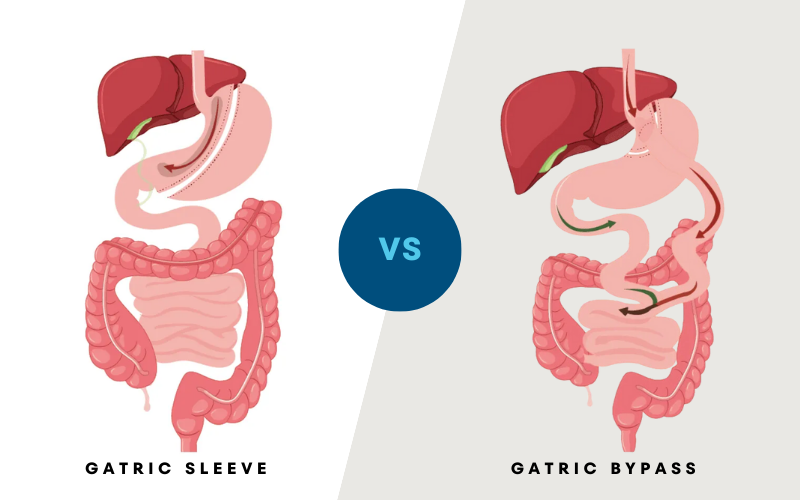
This is a permanent irreversible procedure where a large portion of the stomach is removed. This effects the entire gastric system and how the body processes food.
It is a procedure which is done through keyhole surgery where the stomach is formed into a ‘narrow tube’ (or sleeve) and remainder of the stomach is removed.
ADVANTAGE
DISADVANTAGE:
This procedure permanently reduces the volume of the stomach to approximately 15% of its original size. The traditional shape of the stomach is altered by removing the curved area, resulting in a more tubular shape, otherwise known as a gastric sleeve, or simply, sleeve.
This decrease in volume causes feelings of satiety to occur after less food has been consumed by the patient.
This, coupled with some lifestyle changes, can lead to good long term weight loss.
Often this procedure is recommended for patients who are morbidly obese, with Body Mass Index’s greater than 35 (you can check your own BMI using our onsite calculator here). This procedure can be considered for a slightly lower BMI if there is other severe obesity related illnesses.
Whilst this is a very effective weight loss procedure, it is also a decision that should not be taken lightly, and a consultation with Mr Siva Gounder is necessary.
This procedure is irreversible; once a portion of the stomach has been removed, it cannot be reattached.
Perth Weight Loss and Surgery is committed to performing such gastric procedures with the care and thoroughness required. Our goal is to provide the best surgeries for gastric sleeve Perth can offer it’s residents who are struggling with obesity.
As with most bariatric procedures, gastric sleeve surgery is recommended for patients with a high BMI, typically over 35, but it is imperative you book a consultation with Mr Siva Gounder to determine what course of bariatric surgery is best suited to you.
All surgeries have attending risks. The major complication risks with sleeve gastrectomy is under 4%.
The risks of untreated obesity and metabolic syndrome is higher than having surgery.
It is possible to achieve a loss of up to 60-70% excess weight, however specific results will differ for each individual.
Please contact Mr Gounder for a consultation to find out how much weight you could lose.
The cost of bariatric surgery is dependent on variety of factors. On average the cost of surgery is around $20,000 to $25,000 without private health insurance.
The total out of pocket costs of various Bariatric surgeries (including surgeon fees, anaesthetist and surgical assistant) for patients with Private Health Insurance (that have obesity surgery cover) range from $900 to $4,500.
This is dependent on various factors including type of health fund cover, primary or revisional surgery, type of surgery and anticipated complexity and time taken for the operation. The exact cost for your specific operation will be provided to you in writing well in advance. Please contact the practice to get specific details.
It is important follow the specific guidelines provided to you prior to your surgery, this includes not eating or drinking anything the night before so the stomach is empty to minimise surgical risks. You may need two weeks of very low calorie diet prior to surgery to help reduce visceral adiposity. You will be advised of any specific changes to medication and diet in the days or weeks before surgery if necessary.
During the first few weeks after surgery it is important to allow yourself time to recover. You will be following a new nutrition plan, and will not be eating normal foods in the first few weeks, only liquid. After this period you will transition to solid foods after a few weeks. You will be advised how to change your eating habits to stay healthy while losing weight. You will need to take vitamin and mineral supplements.
It is extremely important to follow the eating and drinking plan your surgeon provides you with.
You will need to have a follow up after your procedure to monitor your specific individual health needs and progress.
This is a permanent irreversible procedure where a large portion of the stomach is removed. This effects the entire gastric system and how the body processes food.
It is a procedure which is done through keyhole surgery where the stomach is formed into a ‘narrow tube’ (or sleeve) and remainder of the stomach is removed.
ADVANTAGE
DISADVANTAGE:
This procedure permanently reduces the volume of the stomach to approximately 15% of its original size. The traditional shape of the stomach is altered by removing the curved area, resulting in a more tubular shape, otherwise known as a gastric sleeve, or simply, sleeve.
This decrease in volume causes feelings of satiety to occur after less food has been consumed by the patient.
This, coupled with some lifestyle changes, can lead to good long term weight loss.
Often this procedure is recommended for patients who are morbidly obese, with Body Mass Index’s greater than 35 (you can check your own BMI using our onsite calculator here). This procedure can be considered for a slightly lower BMI if there is other severe obesity related illnesses.
Whilst this is a very effective weight loss procedure, it is also a decision that should not be taken lightly, and a consultation with Mr Siva Gounder is necessary.
This procedure is irreversible; once a portion of the stomach has been removed, it cannot be reattached.
Perth Weight Loss and Surgery is committed to performing such gastric procedures with the care and thoroughness required. Our goal is to provide the best surgeries for gastric sleeve Perth can offer it’s residents who are struggling with obesity.
As with most bariatric procedures, gastric sleeve surgery is recommended for patients with a high BMI, typically over 35, but it is imperative you book a consultation with Mr Siva Gounder to determine what course of bariatric surgery is best suited to you.
All surgeries have attending risks. The major complication risks with sleeve gastrectomy is under 4%.
The risks of untreated obesity and metabolic syndrome is higher than having surgery.
It is possible to achieve a loss of up to 60-70% excess weight, however specific results will differ for each individual.
Please contact Mr Gounder for a consultation to find out how much weight you could lose.
The cost of bariatric surgery is dependent on variety of factors. On average the cost of surgery is around $20,000 to $25,000 without private health insurance.
The total out of pocket costs of various Bariatric surgeries (including surgeon fees, anaesthetist and surgical assistant) for patients with Private Health Insurance (that have obesity surgery cover) range from $900 to $4,500.
This is dependent on various factors including type of health fund cover, primary or revisional surgery, type of surgery and anticipated complexity and time taken for the operation. The exact cost for your specific operation will be provided to you in writing well in advance. Please contact the practice to get specific details.
It is important follow the specific guidelines provided to you prior to your surgery, this includes not eating or drinking anything the night before so the stomach is empty to minimise surgical risks. You may need two weeks of very low calorie diet prior to surgery to help reduce visceral adiposity. You will be advised of any specific changes to medication and diet in the days or weeks before surgery if necessary.
During the first few weeks after surgery it is important to allow yourself time to recover. You will be following a new nutrition plan, and will not be eating normal foods in the first few weeks, only liquid. After this period you will transition to solid foods after a few weeks. You will be advised how to change your eating habits to stay healthy while losing weight. You will need to take vitamin and mineral supplements.
It is extremely important to follow the eating and drinking plan your surgeon provides you with.
You will need to have a follow up after your procedure to monitor your specific individual health needs and progress.