
Does Weight Loss Surgery Help With Diabetes and Hormonal Conditions?
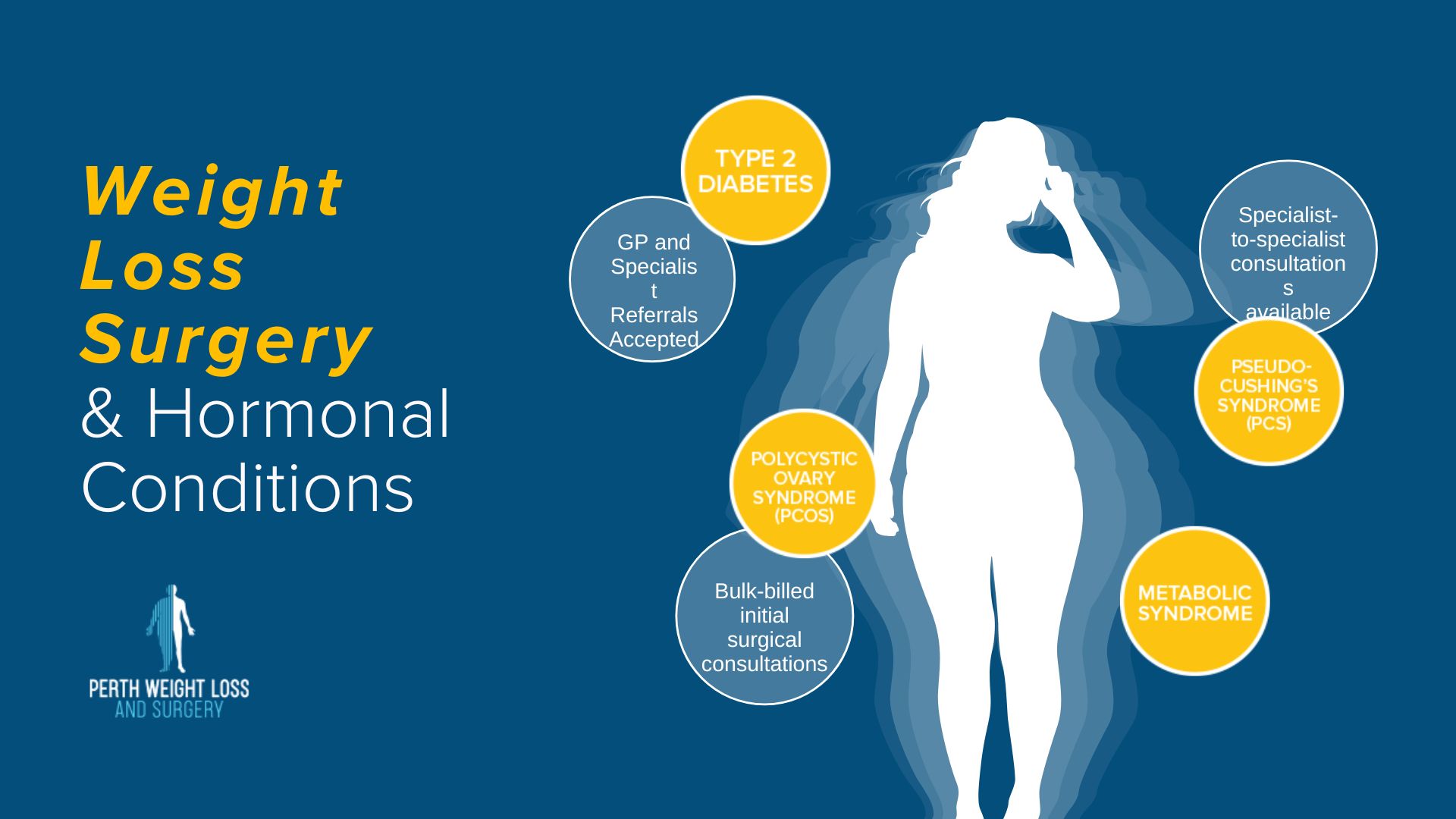
If you’re living with diabetes or struggling with a hormonal condition, you’re probably aware of how much your weight can impact your symptoms. What you might not know is that weight loss surgery, also known as bariatric surgery, can do more than just reduce the number on the scale. It can dramatically improve how your body manages hormones, insulin, and energy, and even send type 2 diabetes into remission.
In this article, we’ll walk you through how weight loss surgery can support people with conditions like type 2 diabetes, thyroid disorders, PCOS, PCS, and more.
The Link Between Obesity and Hormonal Health
Hormones are chemical messengers that control everything from metabolism to blood sugar regulation. When you’re living with obesity, your fat tissue, especially around the belly, produces substances that interfere with these hormones. This can lead to:
- Insulin resistance (which leads to type 2 diabetes)
- Polycystic Ovary Syndrome (PCOS), a hormone-related condition that can affect menstrual cycles, fertility, and weight
- Disrupted thyroid function
- Pseudo-Cushing’s Syndrome (PCS), where chronic stress or weight gain triggers cortisol-related symptoms
- Vitamin D deficiency and inflammation
That’s why many people find it difficult to manage these conditions with medication alone, especially when weight is also a factor.
How Bariatric Surgery Helps Hormonal Conditions
Weight loss surgery changes how your digestive system handles food. But more importantly, it kickstarts hormonal changes that can drastically improve your overall health.
Type 2 Diabetes: Bariatric surgery is one of the most effective tools for reversing insulin resistance. In fact, research shows that:
- 61% of patients no longer need diabetes medication within 5 years of surgery
- Even 5% weight loss can boost insulin sensitivity and reduce HbA1c levels
Thyroid Conditions: Excess weight can throw off thyroid hormone levels. Losing weight often improves hormone balance and reduces fatigue, brain fog, and other symptoms of hypothyroidism.
Polycystic Ovary Syndrome (PCOS) & Pseudo-Cushing’s Syndrome (PCS): Hormonal conditions like PCOS and PCS are closely linked to weight and metabolic health. PCOS can make it harder to lose weight and may increase the risk of insulin resistance, irregular periods, and infertility. Likewise, PCS can mimic the hormonal effects of Cushing’s Syndrome, often tied to long-term stress, excessive alcohol intake, or obesity.
Non-Surgical Options Are Also Available
Not everyone needs surgery. We also offer medical weight loss options, including GLP-1 medications like Ozempic, Saxenda, and Mounjaro, which can:
- Lower blood sugar
- Suppress appetite
- Help you lose weight safely
These treatments work best when they’re part of a structured, supportive program with input from dietitians, psychologists, and your existing healthcare team.
Is Weight Loss Surgery Right for You?
If you’re struggling with weight and an endocrine condition like type 2 diabetes, hypothyroidism, PCOS, and PCS, you may be a candidate for weight loss surgery or a medical weight loss plan.
We’re here to help you explore your options in a supportive environment. Visit us perthweightlosssurgery.com.au